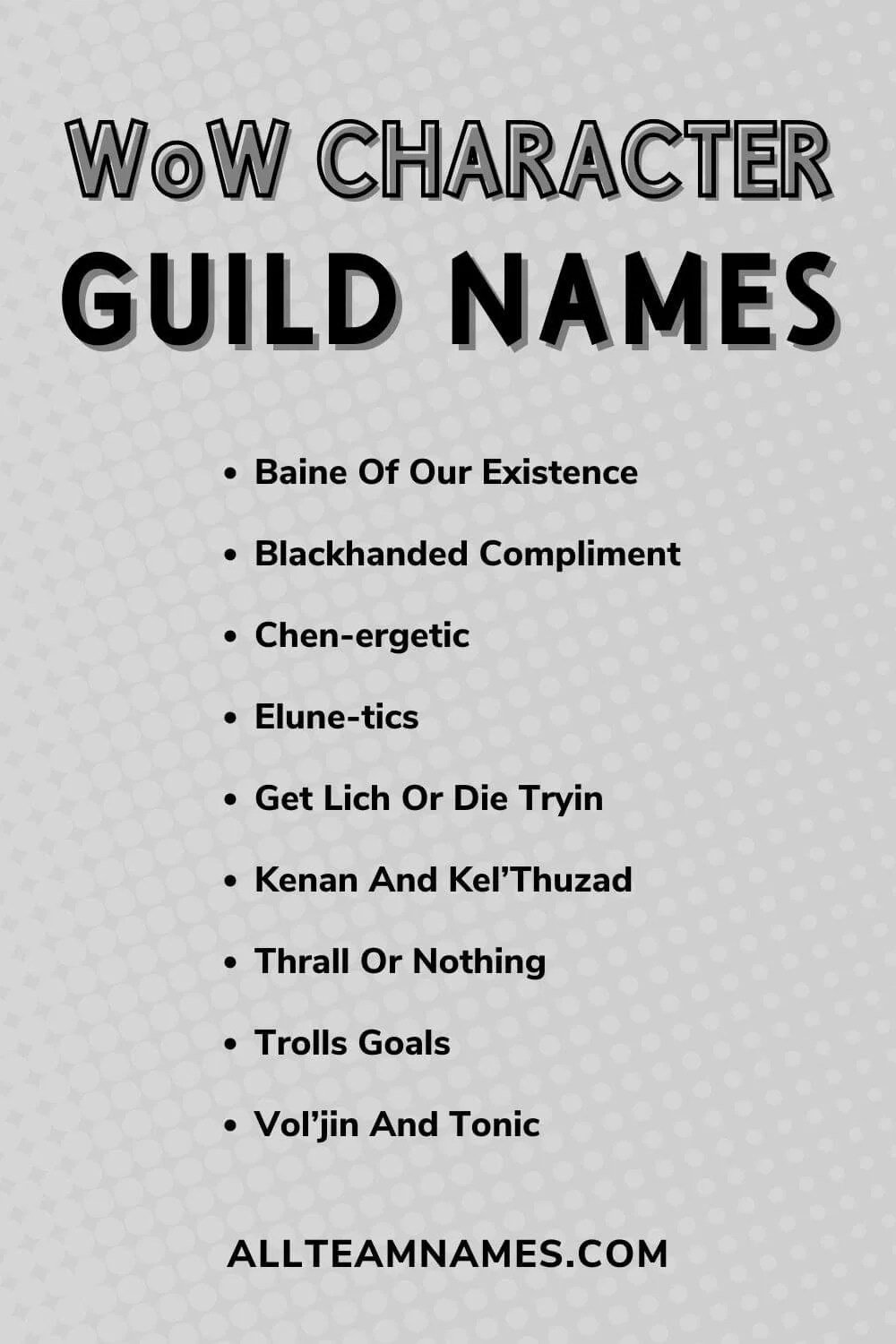
When you set out to forge a guild, whether it's for epic raids in a fantasy realm or dominating esports arenas, you’re not just gathering a group of players. You’re building a community, an identity, and a legacy. And that journey begins, powerfully and unmistakably, with your guild name. It's more than just a label; it's the banner you fly, the cry you shout, the reputation you earn. Crafting a name that resonates, inspires, and endures is one of the most critical decisions you'll make. This comprehensive guide will walk you through the Best Practices for Guild Name Generation to ensure your guild name isn't just good, but legendary.
At a Glance: Crafting Your Guild's Identity
- Your Name is Your Brand: It's your digital identity and first impression in the gaming world.
- Know Your Core: Define your guild's purpose, values, and desired vibe before brainstorming.
- Explore Categories: Use established naming conventions (Fantasy, Modern, Dark, Warrior, Creative, Funny) as launchpads.
- Test for Memorability: Ensure it's easy to pronounce, spell, and recall. Shorter names (2-3 words) are often best.
- Check Availability: Research existing names across platforms and have backup options ready.
- Think Long-Term: Choose a name that will age well and adapt as your guild grows.
- Consider Tags: Design for memorable in-game abbreviations.
- Avoid Controversy: Keep it inclusive and steer clear of anything potentially offensive.
- Leverage Tools: Use a guild name generator for endless inspiration, then refine.
More Than Just a Word: The Unseen Power of Your Guild Name
Let's be real: your guild name isn't just a placeholder above a roster. It's the digital storefront, the rallying cry, and often, the very first impression you make in a vast, competitive gaming landscape. Imagine standing before a formidable dungeon or queuing for a high-stakes match. The name flashing above your head speaks volumes before a single word is typed.
This isn't just conjecture, either. Research consistently points to the immense impact of a well-chosen name. A staggering 73% of MMO players report that a guild's name significantly influences their decision to join. Furthermore, guilds boasting distinctive and memorable names retain their members 23% longer – a crucial factor in building a stable, thriving community.
Consider the sheer scale of the gaming universe: it generates over $200 billion annually, with guild-based games accounting for a hefty 40% of this market. From "The Rangers," the first recorded gaming guild that emerged way back in 1985, to the over 10 million registered guild names in World of Warcraft alone today, names have always been central to player identity and community formation. A great name isn't just a convenience; it's a competitive advantage.
Before the Brainstorm: Setting Your Guild's Compass
Before you dive into endless lists of cool-sounding words, take a moment to define who you are, or who you aspire to be. Think of this as laying the foundational stone of your guild's identity.
Ask yourself these critical questions:
- What defines your members? Are you a band of seasoned raiders, casual explorers, competitive PvP gladiators, or role-playing storytellers? What industry or quest primarily defines your members?
- What's your desired sound? Do you want to project a formal, mystical, adventurous, or perhaps humorous vibe?
- What appropriate terms fit? Should you be a "Society," "Order," "Guild," "Clan," "Brotherhood," "Legion," "Alliance," or something entirely unique?
- How will it appear? Envision your name on a grand banner, a discreet chat tag, or a formal letter to allies. Does it inspire trust, awe, or a chuckle?
Your answers to these questions will provide a filter, helping you narrow down the seemingly infinite possibilities and ensuring your name truly reflects your guild's purpose and spirit.
Unlocking Creativity: Exploring Name Categories & Inspiration
Sometimes the blank slate is the hardest part. That's where established categories come in handy. Think of these as jumping-off points, frameworks to kickstart your imagination. Don't feel bound by them; mix and match, twist and turn until something sparks.
1. Epic Fantasy: For the Heroes and Villains of Grand Tales
This category thrives on evocative language, drawing from mythology, magic, and heroic archetypes. It's perfect for guilds rooted in RPGs, high fantasy settings, or those who crave a sense of grandeur.
- Mythological & Legendary: Tap into ancient pantheons or legendary figures.
- Examples: Asgard’s Champions, Olympus Guard, Dragonheart Keepers
- Magical & Mystical: Focus on arcane arts, hidden powers, and enigmatic forces.
- Examples: Arcane Dominion, Shadow Weavers, Eldritch Echoes
- Heroic & Noble: Emphasize valor, righteousness, and a classic sense of adventure.
- Examples: Radiant Crusaders, Valiant Vanguard, Knights of the Azure Sun
- Dark Fantasy: Lean into the grittier, more sinister, or anti-heroic aspects of fantasy.
- Examples: Shadowbound Legion, Obsidian Covenant, Grim Reapers (also fits Death/Gothic)
2. Modern Gaming: Reflecting Today's Digital Culture
For guilds focused on competitive play, streaming, or simply those with a contemporary edge, names that echo modern tech, internet culture, and popular references can be incredibly effective.
- Tech-Inspired: Play on digital terms, networks, or technological prowess.
- Examples: Digital Dominance, Pixel Prowlers, Code Breakers
- Pop Culture References: Allude to beloved movies, shows, or games. Be mindful of potential copyright issues for official merchandise, but for in-game use, it's fair game.
- Examples: Respawn Heroes, The XP-Men, Level Up Legacy
- Competitive Gaming: Names that scream skill, victory, and relentless pursuit of success.
- Examples: Elite Esports, Apex Predators, Ranked Royalty
- Streaming Culture: Embrace terms from Twitch, YouTube, and the content creator world.
- Examples: Viewbot Vikings, Stream Snipers (playful), Gank Gang
- Meme Culture: Inject humor and current internet trends. These can be fleeting but memorable in the moment.
- Examples: Doge Dynasty, Big Brain Brigade, AFK Avengers
3. Dark & Mysterious: For Those Who Thrive in Shadow
If your guild prides itself on stealth, cunning, or a generally darker aesthetic, these categories will provide ample inspiration. They often evoke a sense of danger, secrets, or forbidden knowledge.
- Shadow & Darkness: Focus on concealment, secrets, and the absence of light.
- Examples: Shadowveil Consortium, Nightfall Pact, Umbral Watchers
- Death & Gothic: Embrace the macabre, the solemn, and a classic gothic feel.
- Examples: Crimson Reapers, Soul Harvest, Sepulchral Order
- Occult & Mystical (Darker Side): Delve into forbidden magic, ancient rituals, and hidden powers.
- Examples: Occult Order, Hexed Hand, Twilight Seers
- Horror & Fear: Names designed to instill dread or evoke a chilling atmosphere.
- Examples: Terror’s Reign, Dread Legion, Scream Syndicate
- Ancient Evil: Conjure images of timeless malevolence and primordial threats.
- Examples: Eldritch Circle, Voidborn Ascendants, Old God's Whispers
4. Powerful Warrior: For the Fearless and Unyielding
These names are designed to project strength, combat prowess, and an unbreakable will. Ideal for guilds focused on combat, tanking, or leading the charge.
- Military & Tactical: Use terms associated with strategy, discipline, and organized combat.
- Examples: Iron Regiment, Warband Vanguard, Strategic Strike Force
- Weapon & Combat: Directly reference instruments of war or the act of fighting.
- Examples: Blade Masters, Axe Breakers, Arcane Artillery
- Strength & Power: Emphasize might, resilience, and an indomitable spirit.
- Examples: Titan Force, Colossus Collective, Unyielding Wall
- Honor & Glory: Highlight a commitment to a code, reputation, and the pursuit of renown.
- Examples: Glory Seekers, Oathbound Champions, Paragon's Path
- Ancient Warrior: Evoke historical or legendary warriors and their fighting spirit.
- Examples: Spartan Elite, Roman Phalanx, Viking Raiders
5. Creative & Unique: Standing Apart from the Crowd
Sometimes, the best name is one that defies easy categorization. These names often use wordplay, abstract concepts, or unexpected combinations to create something truly memorable.
- Wordplay & Puns: Clever twists on common phrases or gaming terms.
- Examples: Ctrl Alt Elite, Level Headed, Mana Farmers
- Unexpected Combinations: Juxtapose seemingly unrelated words for an intriguing effect.
- Examples: Fluffy Destroyers, Cosmic Teacups, Gilded Goblins
- Abstract Concepts: Use ideas rather than concrete objects.
- Examples: Quantum Possibilities, Infinite Horizon, Paradox Path
- Creative Metaphors: Names that hint at a deeper meaning or a guild's playstyle.
- Examples: Storm Chasers, Pixel Pioneers, The Catalyst
- Philosophical Names: Provocative or thought-inducing names.
- Examples: Existential Crisis, Nihilistic Nomads, The Collective Unconscious
6. Funny & Clever: For Laughs and Lightheartedness
Not every guild needs to be epic or intimidating. Humor can be a powerful bonding agent and attract players looking for a more relaxed or fun-focused experience.
- Gaming Reference Humor: Inside jokes or playful jabs at common gaming tropes.
- Examples: We Tried (often for wipe groups), Lagging Behind, AFK Alliance
- Self-Deprecating Humor: Making fun of yourselves can be endearing and welcoming.
- Examples: Casually Competitive, The Slightly Above Average, Professional Casuals
- Pop Culture Puns: Mix well-known phrases with gaming elements.
- Examples: Game of Throws, The Fellowship of the Bling, Ctrl-Alt-Defeat
- Food & Drink Humor: Lighthearted and often universally relatable.
- Examples: Taco Tuesday Guild, Pizza Party Platoon, Coffee Cultists
- Everyday Life Humor: Relate to common experiences outside of gaming.
- Examples: Couch Potatoes, Weekend Warriors, The Real-Life Responders
The Practical Playbook: Expert Tips for Crafting a Lasting Name
You've got your compass set, and your inspiration flowing. Now it's time to apply the strategies that 45% of successful guild leaders emphasize for choosing a name that truly sticks. This isn't just about creativity; it's about practical considerations that ensure your name works in the wild.
1. Reflect Your Guild’s Personality and Values
Your name is your instant advertisement. It should telegraph your guild's core identity at a glance. Are you a hardcore progression guild? A name like "Relentless Progression" or "Apex Raiders" immediately signals that intent. More interested in casual fun and camaraderie? "Friendly Fire" or "Casual Confederates" might be perfect. The name sets expectations, attracting like-minded players and repelling those who aren't a good fit.
2. Test Pronunciation and Memorability
This is a crucial, often overlooked step. Have five different people (preferably outside your immediate guild circle) pronounce and spell potential names. You'll quickly discover if your brilliant idea is a tongue-twister or easily misspelled. A name that’s hard to say or write will be hard to remember and, consequently, hard to find.
Remember, names consisting of 2-3 words are 65% more memorable than longer, more complex ones. Aim for conciseness without sacrificing meaning. Think "Crimson Reapers" versus "The Brotherhood of the Crimson Skull and Shadowy Cloak of Eternal Doom."
3. Research Availability Across Gaming Platforms
Imagine falling in love with a name, only to find it's already taken on your server, or worse, across multiple games you play. Before committing, thoroughly check for existing names on your primary gaming platform and any others where your guild might expand. Always prepare 3-5 strong backup options. This foresight saves you frustration and ensures your unique identity remains yours.
4. Consider Long-Term Appeal and Community Growth
Your guild will evolve. What starts as a small group of friends might grow into a large, diverse community. Choose a name that will age well and remain relevant. A name too specific to a current meme or game mechanic might feel dated or out of place a year from now. A name like "The Ironclad Alliance" has more longevity than "Among Us Imposters 2023." Think big-picture, beyond the current patch or trend.
5. Think About Guild Tags and Abbreviations
In-game chat, forums, and voice comms often rely on shorter forms of guild names. Aim for a name that produces memorable and pronounceable short forms or tags. "[TCA]" for "The Crimson Accord" works well. "[FGT]" for "Friendly Guild Time" might lead to unintended interpretations. Your tag is your daily shorthand, make it one you're proud to display.
6. Avoid Controversial or Potentially Offensive References
This should be a no-brainer, but it's worth emphasizing. Your guild name should promote an inclusive and welcoming community, not alienate potential members or create an unwelcoming atmosphere. Steer clear of anything racist, sexist, homophobic, overly political, or generally divisive. The gaming world is diverse; your name should reflect a desire to unite, not divide. A controversial name can lead to reports, bans, and a toxic reputation that is incredibly hard to shake.
Leveraging Tools: How a Guild Name Generator Can Help
Feeling a bit overwhelmed by the sheer number of options, or perhaps just stuck in a creative rut? That's perfectly normal, and it's where smart tools come into play.
A dedicated Generate unique guild names by randomly merging thematic nouns, adjectives, and organizational suffixes. It's a fantastic way to break through writer's block and discover unexpected combinations you might not have considered.
Here’s how to make the most of it:
- Unlimited Combinations: Don't be shy. Click, click, click! The more generations you run, the higher your chances of striking gold.
- Mix and Match: The generator excels at pairing disparate elements. You might find a "Shadowbound Legion" or a "Digital Dominion" that perfectly captures your vision.
- Copy and Favorite: See something you like? Copy it instantly. Love it but want to keep exploring? Use the heart icon to add it to your favorites list. This allows you to build a shortlist of contenders without losing track of good ideas.
While the current version doesn't support specifying a precise focus (like "only fantasy names" or "only funny names"), you can work around this by regenerating until a suitable name appears. Treat it as a creative partner, a relentless idea machine that provides raw material for your refined vision. It's not about accepting the first suggestion; it's about using the tool to spark your perfect name.
Common Pitfalls & How to Dodge Them
Even with the best intentions, it's easy to stumble. Here are some common traps to avoid:
- Overly Complex Names: While unique is good, don't sacrifice clarity and memorability. Names that are too long, difficult to spell, or laden with obscure references can backfire. Keep it snappy.
- Too Generic or Forgettable: Conversely, don't settle for something so bland it blends into the background. "The Gamers Guild" might be accurate, but it tells no story and inspires no loyalty. Strive for distinctiveness.
- Ignoring Game Lore/Community Norms: If you're in a heavily lore-driven game, a name like "Pew Pew Lazors" might feel out of place. Conversely, if the community is known for humor, a super-serious name could feel stiff. Understand your context.
- Picking Names Difficult to Spell/Type: A name with too many special characters, numbers that replace letters (e.g., "Knyghtz 0f Th3 D4rk"), or unusual spellings can be a nightmare for members trying to find you or type it in chat. Prioritize ease of use.
- Impulse Naming: Don't rush it. A guild name is a long-term commitment. Take your time, brainstorm with your founding members, and sleep on your choices.
Your Guild's Legacy: Beyond the Name
The name is the foundation, but it's just the beginning. Once you've chosen that perfect name, one that truly embodies your guild's spirit and future, the real work (and fun!) begins: building the community that will live up to that name. Your name sets the stage, but your actions, your members, and your shared experiences will write the story.
Taking the Next Step: Your Name Awaits
You now have a robust framework for crafting a guild name that truly stands out. You understand the power of identity, the importance of aligning your name with your values, and the practical steps to ensure its longevity and appeal.
So, gather your core members, put these best practices to work, and don't be afraid to experiment. Use the tools available to you, test your ideas, and choose a name that doesn't just sound good, but feels right. Because when you find that perfect name, you're not just naming a guild; you're launching a legacy. Good luck, and may your banner fly high!